
Valuer’s Watchlist: Garden Mistakes That Undermine Property Values in Sydney & the ACT
Gangster Gardener Autumn Edition 3.1
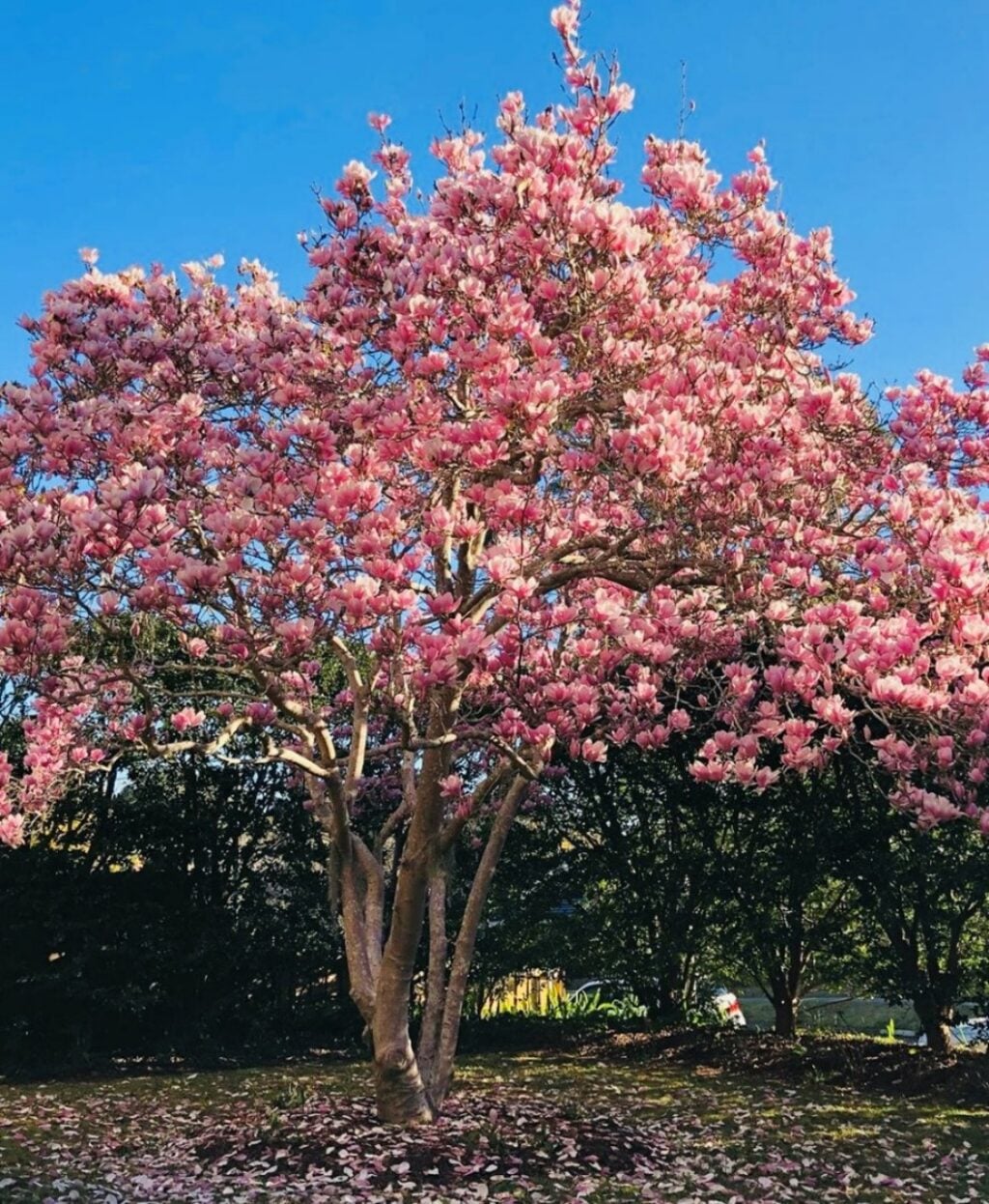
For property valuers working in the competitive Sydney and ACT markets, it’s clear that the front yard is no longer just about visual appeal, it’s a financial signal that sets an expectation. Landscaping that’s overdone, poorly planned, or just plain neglected can quietly shave thousands off a valuation. While the building gets the spotlight, the garden often whispers (or shouts) cues about maintenance, risk, and liveability. So, when assessing curb appeal, keep one eye on the detail and one on the data, these outdoor elements can push a property up… or drag it down.
Let me break down the top garden mistakes owners and developers make that can quietly sabotage value and why valuers should pay attention.
1. Overcrowded Plantings: Chaos Kills Kerb Appeal
Dense, cluttered gardens make outdoor areas feel smaller and harder to manage. A buyer doesn’t see lush, they see work and expense. For valuers, overcrowding can also obscure structural risks and diminish visibility of the home’s façade, which impacts street appeal and perceived value.
2. Neglected Maintenance: A Signal of Wider Disrepair
Unmown lawns, dying shrubs, and weed-infested beds aren’t just unsightly, they’re valuation red flags. Poor garden upkeep often correlates with general neglect of the property. For valuers, it’s a prompt to look deeper.
3. Poor Drainage: Trouble Below the Surface
Standing water, boggy lawn sections, or dying turf in low points can point to poor site planning or inadequate runoff. Left unchecked, this can affect not just garden health, but footings and structural integrity. Valuers note these conditions as potential costs for remediation, often affecting final market value.
4. Outdated Garden Features: Visual Obsolescence
Plastic edging, red mulch, and ornamental overload can date a property fast. Buyers now look for clean, natural, and modern outdoor design. For valuers, outdated landscaping cues lower appeal and potential buyer hesitation.
5. Overly Personalised Spaces: Appeal is in the Eyes of the Market
Valuers know that overly themed or quirky gardens limit marketability. A backyard full of movie props or niche installations might reflect the owner’s taste but rarely align with broad buyer preferences.
6. Neglected Front Garden: The First and Lasting Impression
Curb appeal isn’t just an agent’s slogan; it impacts market sentiment. A neglected front garden undermines first impressions and sets a tone for the rest of the valuation. Simple, clean, and well-maintained always scores higher.
7. Invasive Species: More Cost than Charm
Some plants, like creeping bamboo or sprawling bougainvillea might start pretty but end in expensive removals. Invasive species can threaten structures, crack paving, and increase ongoing maintenance costs which valuers should factor in.
8. Lack of Cohesive Design: Poor Integration
Disjointed garden zones, mismatched plantings, or multiple landscaping styles dilute overall impact. A well-integrated outdoor space aligned with the home’s style helps define functional use areas, a positive in any valuation.
Please read: “From Dirt to Design: How to Plan a Garden That Sells (and Soothes)” – Gangster Gardener Autumn Edition 2.1
9. Complex Water Features: More Burden Than Bonus
Unless well maintained and designed, ponds, fountains and waterfalls tend to signal future maintenance headaches. Buyers see liability, not lifestyle, something to factor into your risk adjusted valuation approach.
10. Artificial Turf Overkill: Synthetic Can Backfire
Artificial turf has its place, but overuse can feel sterile. Buyers increasingly value sustainable, living landscapes. A balanced mix of low-maintenance native planting and practical turf usually wins out.
Tree Trouble: When That Shady Feature Becomes a Liability
Trees can be real assets or real problems. Poor placement near structures, fences, or paved surfaces invites damage, damp, and litigation risk. Valuers take note of trees planted too close to homes, with branches overhanging roofs or roots lifting paving.
Before sale, overgrown trees should be pruned back, mossy paths pressure cleaned, and any signs of tree-related damage addressed. A tree in the wrong spot can quietly knock five figures off a property’s perceived value.

Gangster Gardener’s Final Word: The Garden Isn’t Just a Feature, It’s a Valuation Factor
In today’s property landscape, outdoor spaces are no longer an afterthought, they’re a measurable component of buyer appeal and valuation integrity. For valuers, spotting landscaping risks, cost signals, or missed opportunities is just part of the job. A well-maintained, balanced, and thoughtfully designed garden isn’t just beautiful, it’s bankable.
Smart valuers, vendors, developers, and property managers who understand this will always have an edge. I am happy to die on this hill!
Related Posts
 Blog
Blog
Get to Know Your NSW State Committee Member - Katrina Lukac FAPI
 Blog
Blog
Meet Your ACT State Committee Chair: Marcia Bowden LFAPI
 Blog
Blog
A Century of Standard-Setting
 Blog
Blog
API Board Update: July 2026
 Blog
Blog
Get to Know Your NSW State Committee Members
 Blog
Blog